
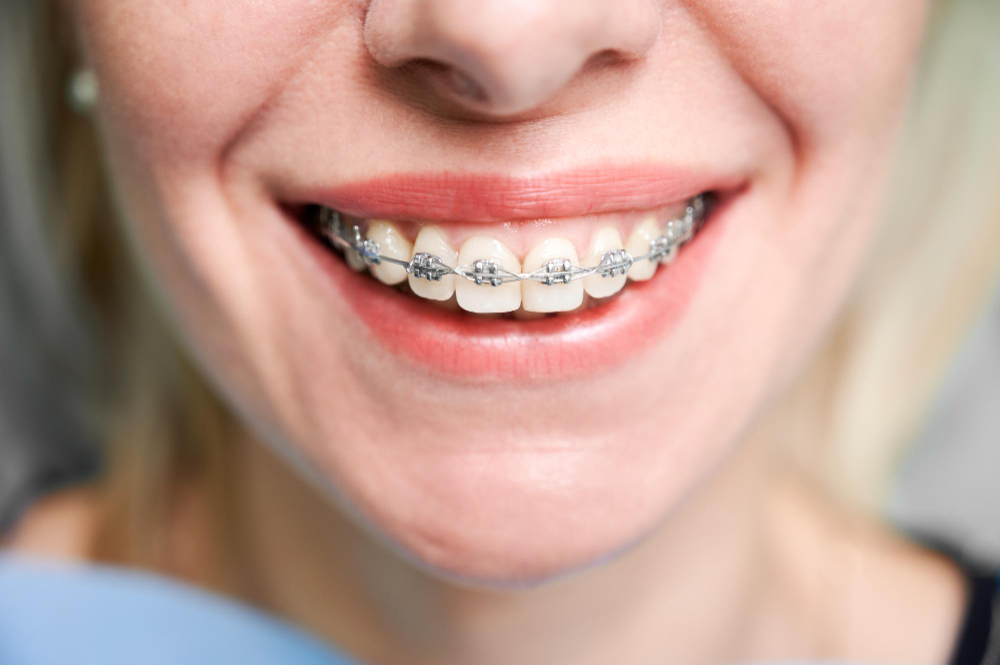
Braces are special dental devices that help straighten teeth and fix bite problems. Many people, both children and adults, use braces to improve their smiles. In fact, braces are a common part of orthodontic treatment. If you are thinking about braces, you may have many questions. This guide will help you understand how braces work, what to expect, and how to care for them.
What Are Braces?
Braces are tools that dentists use to move teeth into better positions. Usually, braces are made of small brackets, wires, and bands. These parts work together to gently shift teeth over time. As a result, braces can fix crooked teeth, crowded teeth, and bite issues. Dentists who fit braces are called orthodontists.
Common Reasons for Getting Braces
Many people need braces for different reasons. Sometimes, teeth do not grow in the right place. Other times, the upper and lower teeth do not meet well. Here are some common reasons people get braces:
Because braces can help with these problems, they are a popular choice for both kids and adults.
Types of Braces
Today, there are several types of braces. Each type has its own benefits. Your orthodontist will help you choose the best one for your needs. Here are the main types:
Each type has pros and cons. For example, metal braces are often less expensive, while clear aligners are nearly invisible.
How Braces Work
Braces use gentle, steady pressure to move teeth. Over time, the bone around your teeth changes shape. This lets teeth shift into better spots. Wires and brackets guide the teeth, while rubber bands may help fix bite problems. Because teeth move slowly, treatment can take months or even years. Regular visits to the orthodontist help keep progress on track.
The Braces Procedure: Step-by-Step
Getting braces is a process. Here is what you can expect:
Because each person is different, your treatment may vary slightly.
Caring for Your Braces: Tips and Best Practices
Proper care is important for healthy teeth and gums during orthodontic treatment. Here are some tips to help you:
Because braces can trap food, good cleaning habits help prevent cavities and gum problems.
Potential Risks and Side Effects
Most people have no serious problems with braces. However, some side effects can happen. Here are a few to watch for:
If you notice pain or swelling, contact your orthodontist. They can help solve most problems quickly.
Expected Results and Aftercare
After braces, your teeth should look straighter and your bite should feel better. Most people are happy with their new smile. However, you may need to wear a retainer to keep your teeth in place. Retainers are usually worn at night. Good oral care and regular dental visits help keep your teeth healthy after treatment.
Frequently Asked Questions About Braces
For more answers, talk to your orthodontist. They can explain what to expect during your orthodontic treatment.
Conclusion: Braces can help you achieve a healthy, beautiful smile. If you are thinking about braces, consult a qualified dentist or orthodontist at Swetha Multispecialty Dental for personalized advice about braces.