
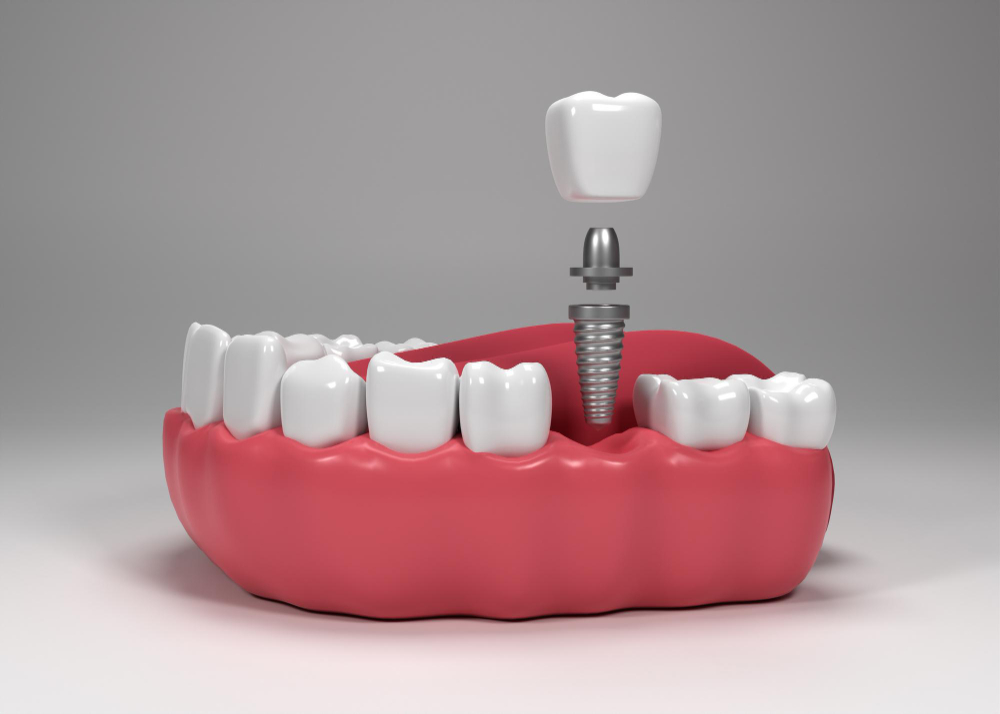
What Are Dental Implants?
Dental implants are artificial tooth roots. Dentists place them into your jawbone to support replacement teeth. Usually, they are made of titanium, which is safe for the body. Many people choose dental implants to replace missing teeth. In fact, dental implants look and feel like natural teeth. Because of this, they are a popular choice for tooth replacement. If you are missing one or more teeth, dental implants may help restore your smile.
Benefits of Dental Implants
Dental implants offer many advantages over other tooth replacement options. For example, they are strong and stable. In addition, they can last for many years with proper care. Here are some key benefits:
Because dental implants fuse with your bone, they provide a secure fit. As a result, many people find them more comfortable than dentures or bridges.
Who Is a Candidate for Dental Implants?
Not everyone is a good candidate for dental implants. However, many adults can benefit from them. You may be a good candidate if you:
Still, your dentist will check your mouth and health history before recommending dental implants. Sometimes, bone grafting may be needed if your jawbone is too thin or soft.
The Dental Implant Procedure: Step-by-Step
The dental implant procedure usually takes several months. But each step is important for success. Here is what you can expect:
Because healing takes time, patience is important. Your dentist will guide you through each step.
Risks and Potential Complications
Dental implants are safe for most people. However, like any surgery, there are some risks. Common risks include:
Although these problems are rare, it is important to follow your dentist’s advice. According to the American Dental Association, most dental implants are successful. But, smoking and some health conditions can increase risks.
Aftercare and Recovery Tips
Proper aftercare helps your dental implants heal and last longer. Here are some tips for a smooth recovery:
Because good oral care is key, always keep your mouth clean. If you notice pain, swelling, or bleeding, contact your dentist right away.
Frequently Asked Questions About Dental Implants
Prevention and Maintenance for Long-Term Success
To keep your dental implants healthy, good habits are important. For example, brush twice a day and floss daily. In addition, visit your dentist for regular check-ups and cleanings. Avoid chewing hard foods like ice or hard candy, as these can damage your implant. If you grind your teeth at night, ask your dentist about a mouth guard. Because smoking can harm your implants, try to quit if you smoke. With proper care, your dental implants can last for many years.
For more information or to see if dental implants are right for you, consult a qualified dentist at Swetha Multispecialty Dental. They can guide you through the process and answer your questions.