
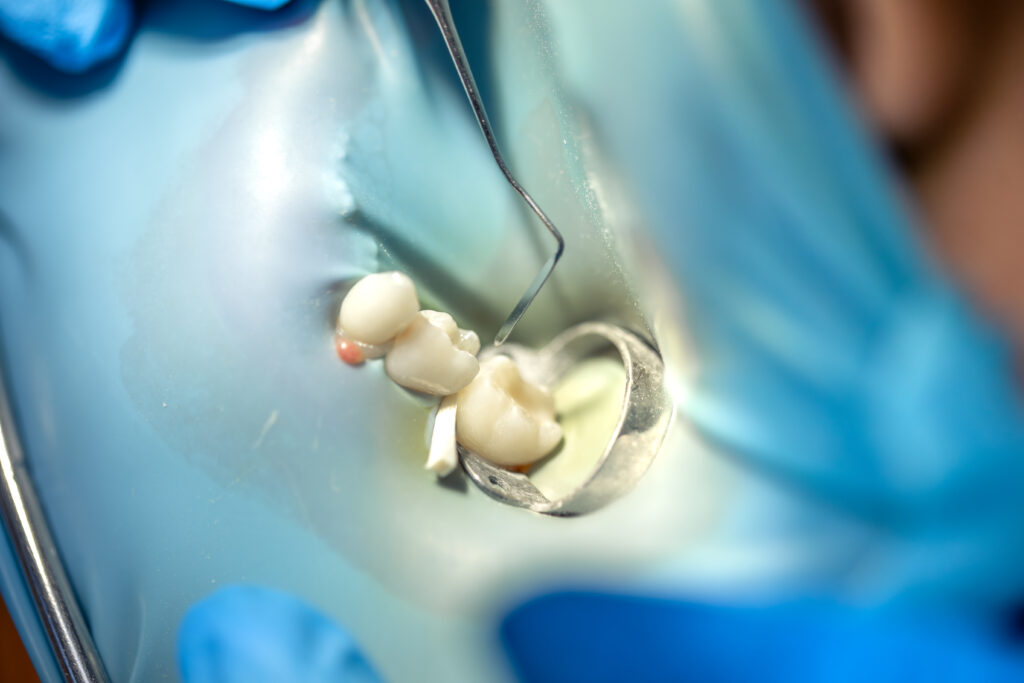
What Are Dental Inlays and Onlays?
Dental inlays and onlays are special types of dental restorations. They repair teeth that have moderate damage or decay. Unlike standard fillings, dental inlays and onlays are made outside the mouth. Then, your dentist bonds them to your tooth. In many cases, they offer a strong and lasting fix. According to the American Dental Association, these treatments help save more of your natural tooth.
How Do Inlays and Onlays Differ from Fillings and Crowns?
It helps to know the differences between these options. First, standard fillings are used for small cavities. The dentist places filling material directly into the tooth. However, fillings may not be strong enough for larger repairs.
On the other hand, full crowns cover the entire tooth. Crowns are used when a tooth is badly damaged or weak. But, crowns require more of the tooth to be shaped away.
Dental inlays and onlays are a “mid-way” solution. They cover more than a filling but less than a crown. Inlays fit inside the grooves of your tooth. Onlays cover one or more of the tooth’s cusps (the raised points).
When Are Inlays or Onlays Recommended?
Sometimes, a filling is not enough, but a crown is too much. In these cases, dental inlays and onlays are recommended. Dentists may suggest them if:
For example, if you have a cracked tooth but the crack does not reach the root, an onlay may be best.
How Are Inlays and Onlays Placed?
The process for dental inlays and onlays usually takes two visits. First, your dentist will numb the area. Then, they remove the damaged part of the tooth. Next, they take an impression or scan of your tooth. This helps create a custom inlay or onlay that fits perfectly.
While you wait, a temporary filling may protect your tooth. At your next visit, the dentist checks the fit. If it looks good, they bond the inlay or onlay to your tooth. Finally, they polish it for a smooth finish.
Benefits and Potential Risks
Dental inlays and onlays offer many benefits. For instance, they are strong and last longer than standard fillings. They also match the color of your teeth, so they look natural. In addition, they help save more of your healthy tooth.
However, there are some risks. Sometimes, the inlay or onlay may come loose. Rarely, you may feel sensitivity after the procedure. Infections or allergic reactions are very uncommon, but possible. Always talk to your dentist about any concerns.
Aftercare and Maintenance Tips
Good care helps your dental inlays and onlays last longer. First, brush your teeth twice a day with a soft toothbrush. Next, floss daily to remove food and plaque. Also, avoid biting hard objects like ice or pens. This can help prevent damage.
If you notice pain or the inlay/onlay feels loose, contact your dentist right away.
Prevention and Oral Health Guidance
While dental inlays and onlays are helpful, prevention is best. Therefore, keep up with daily oral care. Eat a balanced diet and limit sugary snacks. Drink water instead of sugary drinks. In addition, see your dentist every six months for cleanings and exams.
These steps can help you avoid future dental problems and keep your smile healthy.
Conclusion
In summary, dental inlays and onlays are a smart choice for many people. They offer a strong, natural-looking fix between a filling and a crown. If you have moderate tooth damage, they may be right for you. Consult Swetha Multispeciality Dental to find out if dental inlays or onlays are right for you.