
What Is Full Mouth Rehab?
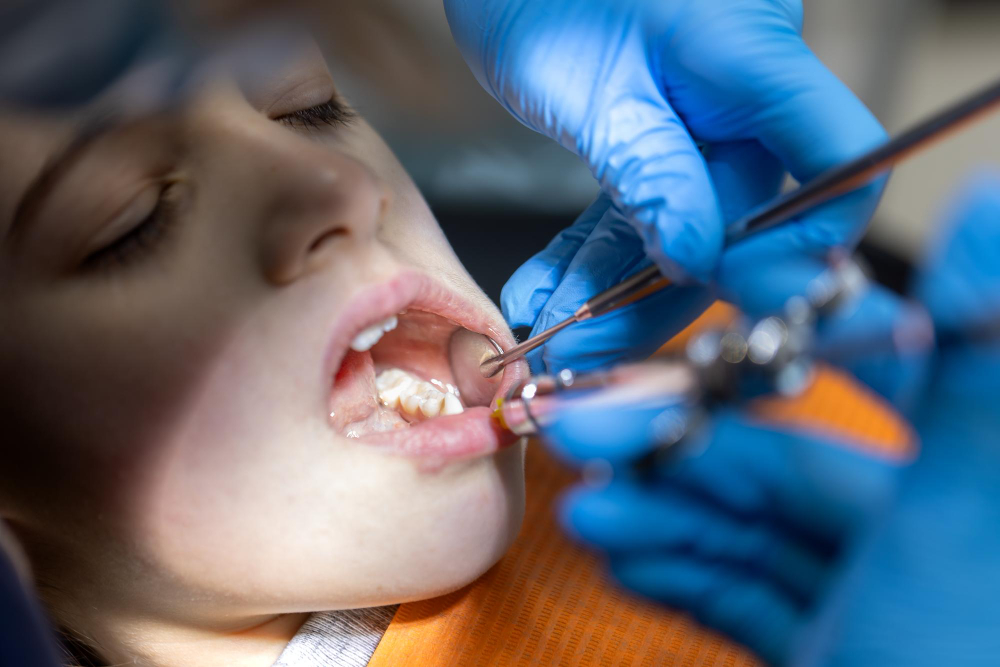
Full mouth rehab, also called full mouth rehabilitation, is a dental treatment plan. It aims to restore all your teeth in both the upper and lower jaws. Often, this process repairs teeth, gums, and your bite. As a result, it can help people with chronic jaw pain or broken-down teeth. Dentists use many dental restoration options, such as crowns, bridges, or implants, to rebuild your smile. The main goal is to improve how your teeth look, feel, and work.
Who Needs Full Mouth Rehab?
Not everyone needs full mouth rehab. However, some signs may show you could benefit from it. For example, you may need this treatment if you have:
In addition, people with severe gum disease or bite problems may also need full mouth rehabilitation. If you wonder, “Is full mouth rehab right for me?” a dental exam can help you decide.
Common Causes of Chronic Jaw Pain and Broken-Down Teeth
Chronic jaw pain and broken-down teeth can have many causes. Sometimes, teeth wear down from years of grinding or clenching. Other times, accidents or injuries damage teeth. Infections, gum disease, or untreated cavities can also lead to tooth loss or pain. Additionally, missing teeth can make your bite uneven, causing jaw pain. Poor dental care or certain health conditions may increase your risk.
Diagnosis: How Dentists Assess Your Needs
First, your dentist will listen to your concerns. Next, they will check your teeth, gums, and jaw. Dentists often use X-rays, photos, or digital scans to see the full picture. They may also check how your teeth fit together. Sometimes, they will ask about your health history or habits, like teeth grinding. This careful exam helps your dentist plan the best treatment for you.
Full Mouth Rehab Treatment Options
There are many dental restoration options for full mouth rehab. Your dentist will choose the right mix for your needs. Common treatments include:
Sometimes, you may need several types of treatment. Your dentist will explain each step and answer your questions.
Benefits and Risks of Full Mouth Rehab
Full mouth rehab can offer many benefits. For example, it can:
However, like any dental procedure, there are some risks. These may include:
Still, most people find the benefits outweigh the risks. Your dentist will help you understand what to expect.
Recovery and Aftercare Tips
After full mouth rehab, you will need to care for your new smile. For best results, follow your dentist’s advice. Here are some helpful tips:
With good care, your dental work can last many years.
Prevention: Protecting Your Smile Long-Term
Even after full mouth rehab, it is important to protect your teeth. Here are some ways to keep your smile healthy:
These steps can help prevent future problems and keep your mouth healthy.
Frequently Asked Questions
Conclusion and Next Steps
Full mouth rehab can be life-changing for people with chronic jaw pain or broken-down teeth. It restores your smile and comfort. If you think you may need this treatment, do not wait. Consult a dentist at Swetha Multi Speciality Dental for a full exam and personalized advice. Your journey to a healthier, happier smile can start today.