
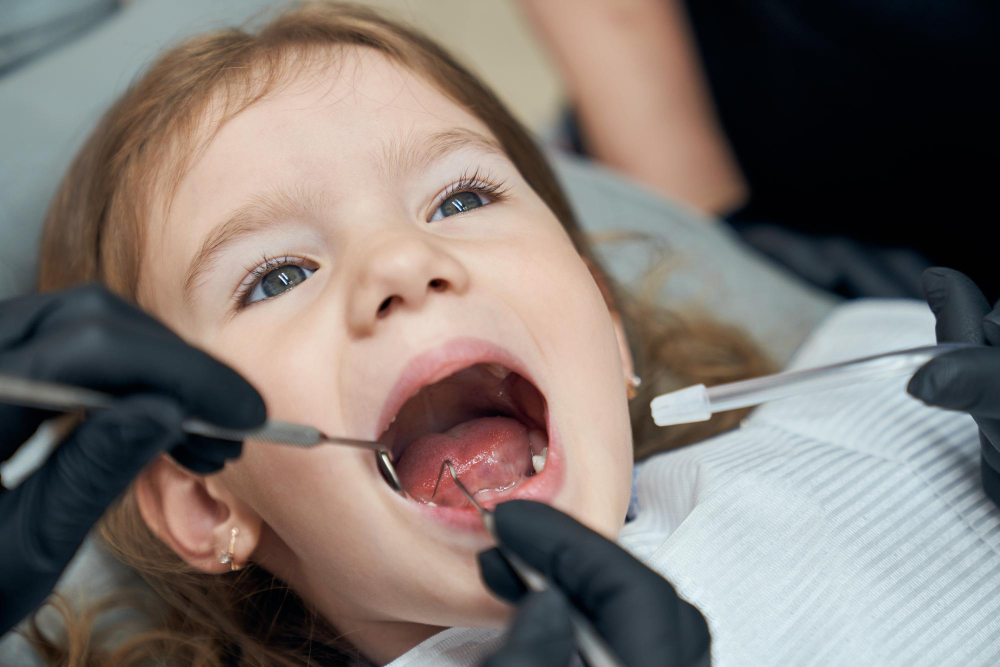
What is Nursing Bottle Caries?
Nursing bottle caries is a type of tooth decay that affects babies and toddlers. It happens when a child’s teeth are exposed to sugary liquids for long periods. These liquids can include milk, formula, juice, or sweetened drinks. Because the sugar stays on the teeth, it feeds bacteria. As a result, these bacteria make acids that damage the teeth. Nursing bottle caries is also called baby bottle tooth decay. Early prevention is key to keeping your child’s smile healthy.
Symptoms of Nursing Bottle Caries
It is important to spot nursing bottle caries early. This helps prevent further damage. Look for these signs in your child’s mouth:
If you notice any of these symptoms, contact a dentist soon. Early treatment can stop the decay from getting worse.
Causes and Risk Factors
Several factors can lead to nursing bottle caries. Understanding these can help you protect your child’s teeth. Here are the main causes and risks:
For example, when a child sleeps with a bottle, the sugar stays on their teeth longer. This increases the risk of decay. Also, some families may not have easy access to dental clinics. In such cases, extra care at home becomes even more important.
Diagnosis and Early Detection
Early detection of nursing bottle caries can save your child’s teeth. Dentists check for signs of decay during regular visits. They may use a small mirror and light to look at all the teeth. Sometimes, they use special tools to spot soft spots or holes. If needed, the dentist may suggest X-rays to see hidden decay. Regular dental check-ups, starting by your child’s first birthday, help catch problems early. This is recommended by the American Academy of Pediatric Dentistry.
Effective Prevention Strategies
Preventing tooth decay in babies is possible with simple steps. Here are some proven ways to protect your child’s oral health:
Additionally, in some areas, local water may contain fluoride, which helps prevent decay. Ask your dentist if your child needs extra fluoride.
Treatment Options
If your child develops nursing bottle caries, treatment depends on how severe it is. For early decay, dentists may use fluoride treatments to strengthen the teeth. In more advanced cases, fillings or crowns may be needed. Sometimes, if the tooth is badly damaged, it may need to be removed. However, early treatment can often save the tooth. Your dentist will explain the best options for your child. Quick action helps prevent pain and future dental problems.
Tips for Parents and Caregivers
Parents and caregivers play a big role in baby bottle tooth decay prevention. Here are some helpful tips:
By following these steps, you can help your child avoid tooth decay and enjoy a healthy smile.
Frequently Asked Questions (FAQ)
Consult Swetha Multi Speciality Dental Hospital for expert guidance on preventing nursing bottle caries and safeguarding your child’s smile.